What I Learned After Finally Winning a Game Jam
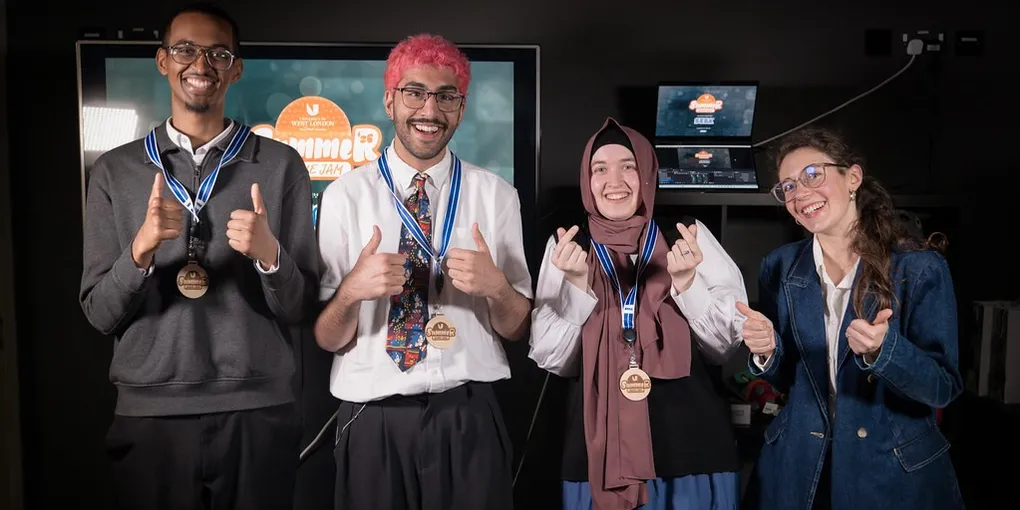
After three unsuccessful attempts in my university’s internal game jam, I’d never been more determined to win- especially seeing as this was my final shot before graduating. Before it started, I spent some time looking at past jams, specifically the other entries and trying to figure out why they won and I didn’t. What was it that gave all these games that edge?
Wait, what’s a game jam?
In case you don’t know, a game jam is fun, intense event where developers create a game from scratch around a shared theme. They are always under time constraints, ranging from 24 hours to 7 days, which means planning and time managment is more important than you’d realise!
More importantly, they’re an oppurtunity to be creative and explore unconvential ideas with no stakes. In my second year of university, we had a module called “Experimental Games” and we were told it was our chance to make whatever we wanted! It was a space to finally get all those crazy ideas out of our heads before embarking on our final major projects in third year, which would require something more grounded. That’s essentially how I see game jams- places to vent your wildest ideas, so your main projects end up more focused because you’ve already done the experimenting and learning elsewhere.
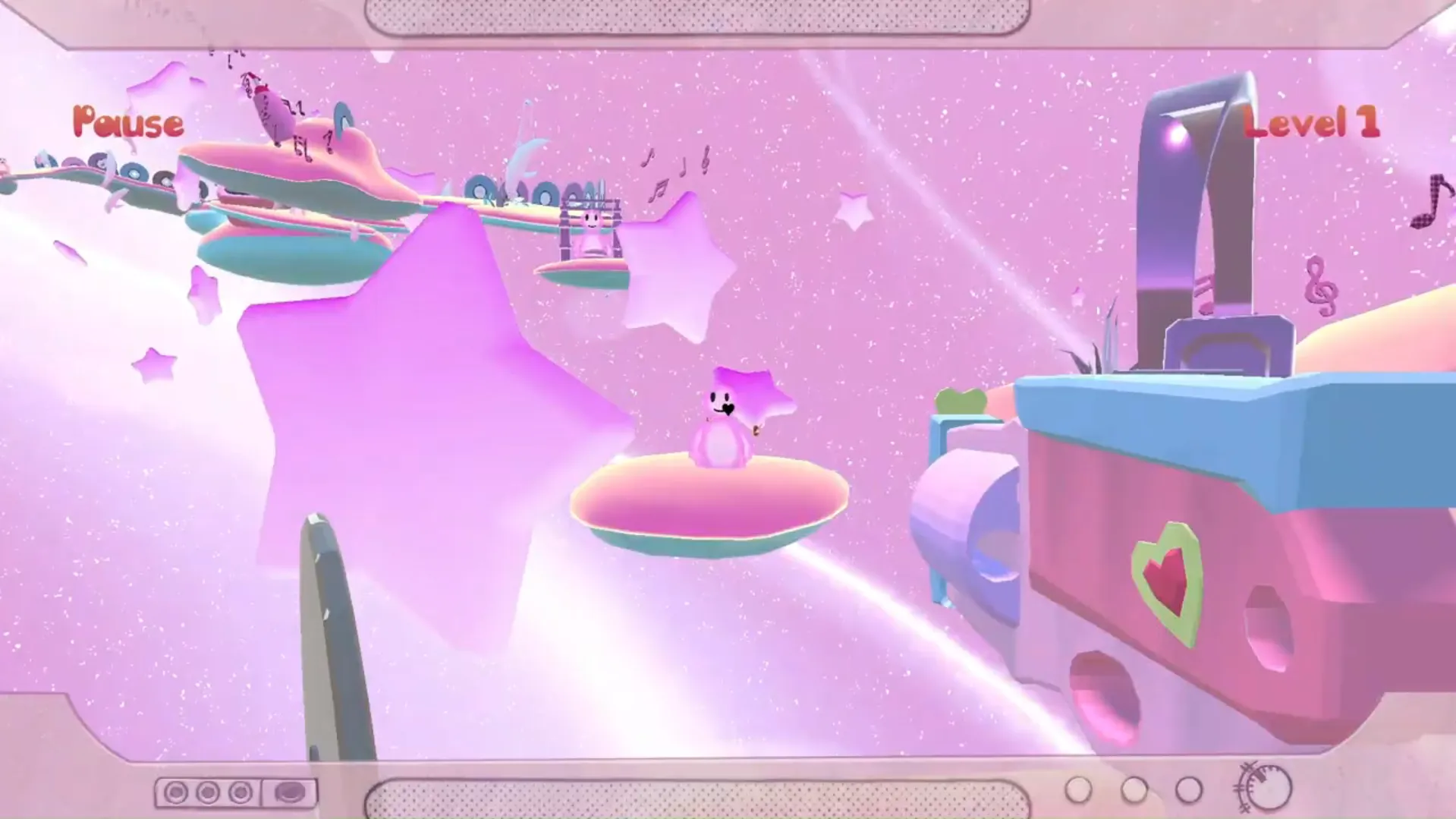
This is a game I made with a friend for this module- a frutiger aero inspired shooter. I never used the colour pink after this, but it’s on my itch.io page :).
Sounds fun! Where can I sign up?
There are plenty of game jams happening all over the place! Theres a whole plethora of them online- most notably Ludum Dare and there’s often a tonne happening over on itch. io. There’s also the Global Game Jam, which runs events both online and in person. Their calendar updates often, so it’s worth checking regularly since they host jams across a huge range of locations. You can also look at past themes and download games people have made to get a feel for what it’s like!
I’ve entered, what now?
Now it’s time to prepare! Without knowing the theme, there’s only so much you can do, but you need to get used to doing things you don’t normally do since that’s what game jams force you to do! If you’re a programmer, make the same system in both 2D and 3D. If you’re an artist, draw something totally out of your comfort zone with a randomised colour palette. If you’re a UI designer, make an asset pack, but restrict yourself by not being able to use your most used tool. Whatever you do, just prepare to be flexible and work in ways you haven’t before!
The other thing to mention is your team- are you going in solo or do you want to work with others? This is a personal choice, but you’ll always get further when you’re with a team! If you don’t know anyone or feel nervous about reaching out, remember that loads of people are in the exact same position as you. Plenty of people want to join a team, but feel unsure about how to approach others or where to start. It’s time to be brave and first step- do for someone else what you’d want them to do for you! Reach out, post on Reddit or in the official Discord servers, make yourself easy to approach or shoot someone a friendly DM. And make it fun! Put together a small profile or mini‑CV with your background, what you specialise in and what you’re looking for. Everyone is here for the same reason: to make games, make friends and have a good time!
That being said, when working with strangers on the internet please be careful! People can be weird and stranger danger is still a thing!Alright, I’m ready! How do I win?
There’s never going to be a definitive “how to win”, but there are some tips I’ve gathered over the years which I think would help.
Start small!
It’s easy, especially when you’re in a group, to decide on so many ideas you want to implement- skill trees, a magic system, enemies that adapt, 5 whole levels, cutscenes etc. Coming up with a bunch of mechanics or ideas you want to shove into the theme isn’t the best approach. Instead, focus on coming up with a core game loop and once that is fully developed you can add extra features on top. Doing this also helps avoid scope creep since the core of the game is done and everything else is just extra! Here’s am example from our winning game, Reef Relief:
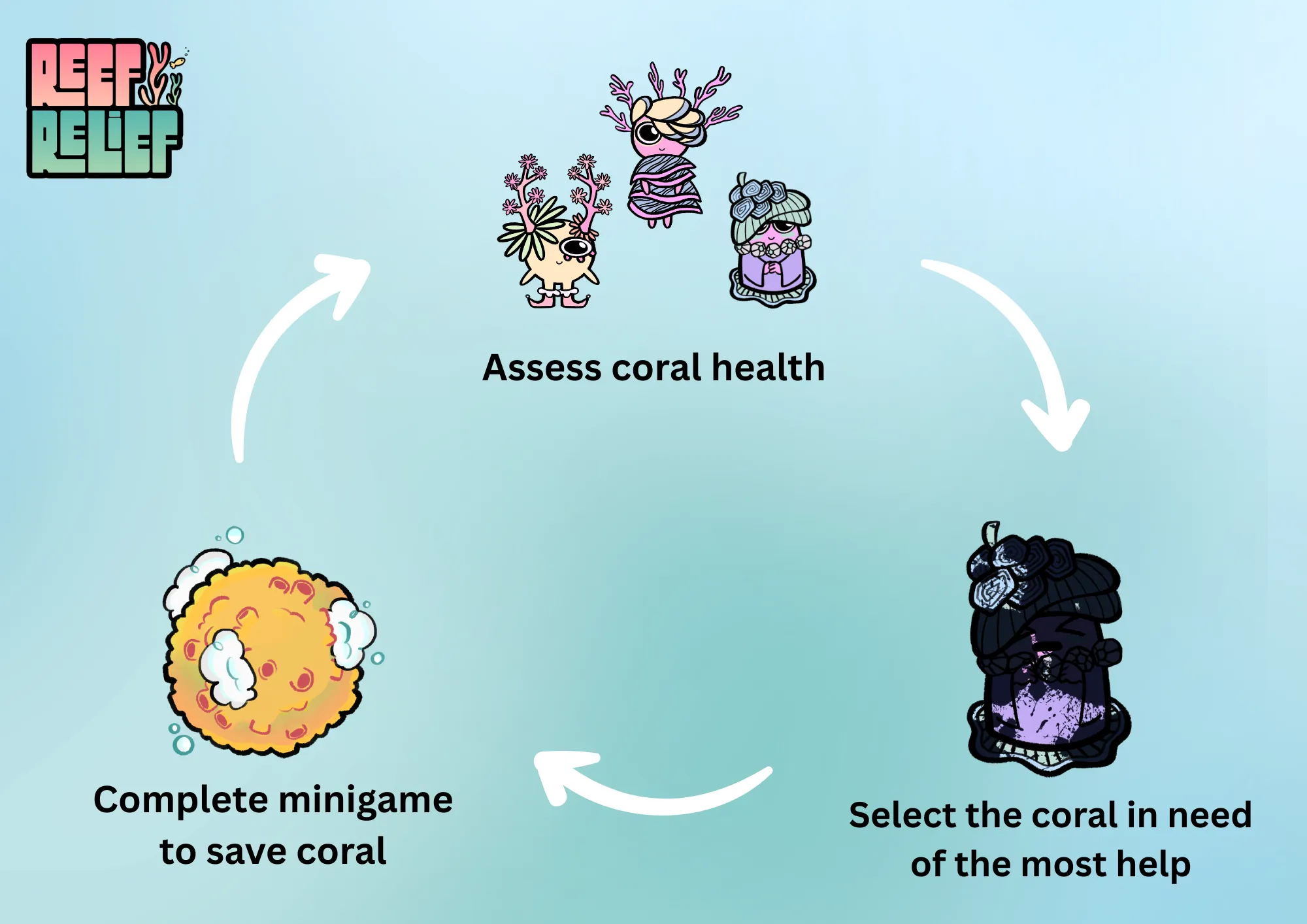
Our game loop only had 3 parts, but loops can be bigger depending on your game. The important thing is that you have a loop that is fun, engaging and makes players want more. After our loop continued for a set amount of time, the end screen would appear and you’d get your score! I want to mention that after we had this functioning loop with a simple, placeholder minigame inside Unity, we were able to look at how much time we had left and decide what extra features we wanted to add and how complex we could make the minigames, which is how we were able to manage our time effectively.
Your menus should never be an afterthought!
In my opinion, a game could be extremely detailed, look and sound incredible, have a solid gameplay loop and genuinley be fun and still be beaten by a smaller game if that smaller game had a main menu, start button and end screen. Games feel much more like complete experiences when they have those defined start and end points.
Imagine you were having a birthday and your best friend brought a cake to you. Would you rather a big, extravagant, 3-tiered cake with candles and decorations that they delivered to you with their bare hands so the bottom was all mashed and kinda falling apart, then when they set it down there’s cake all over their hands. Then after setting it down everyone’s clapping, but they’re not letting their hands touch when they clap because that would make the cake on their hands splatter everywhere and they really have to go wash their hands, but can’t really leave until everyone’s done clapping. And now you’re blowing out your array of artisinal candles and you can really see the craftmanship in this cake as you get up close, but all you can think about is their cake covered hands and how the bottom of the cake probably has near-perfect indents of their hands.
Or, would you rather they delivered a smaller, yet still well crafted, cake that’s packaged in a cute little box that has a silk ribbon? And you get to appreciate the dainty packaging before pulling away the ribbon and releasing the cake’s sweet aroma. Then your friend goes ahead and lights the candles before everyone sings and claps, with cake-free hands.

This is how I imagine games with menus, versus those without- make the right choice.
Your main menu doesn’t have to be super fancy and animated- a simple “Play” and “Quit” button beneath your title is all you need! I’ve included some examples:
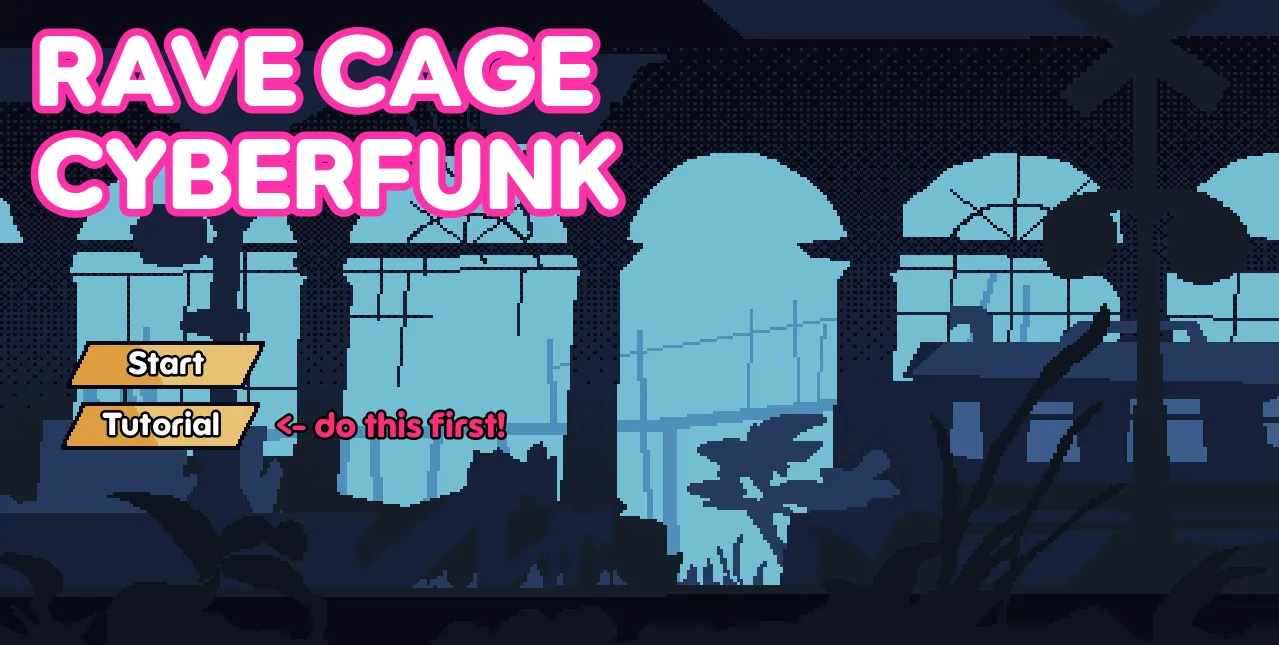
This is the main menu from the overall 1st place winner of the Brackeys Game Jam 2025.2- Rave Cage Cyberfunk, by PebbleWheat. At it’s core- it is simple! A pretty background, logo and 2 buttons. That’s all you need! But… you don’t want to make a different scene?
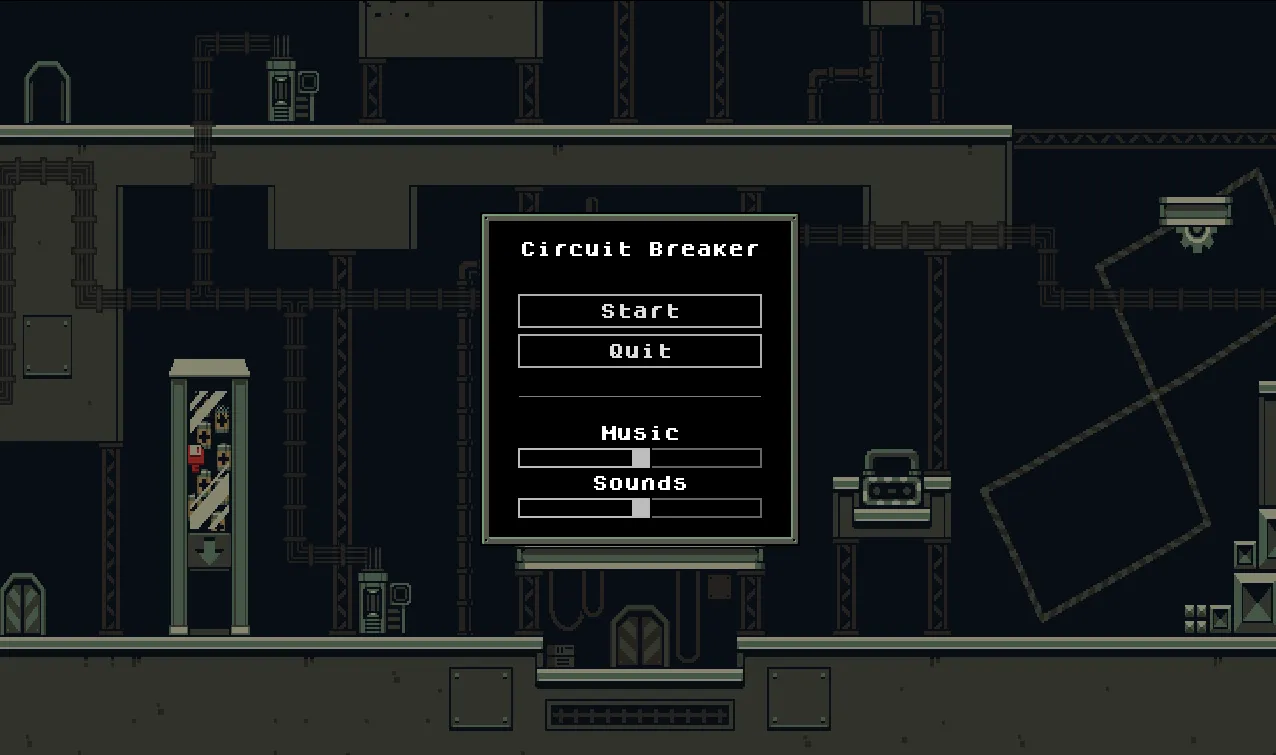
This main menu is from Circuit Breaker, by zelophed, which was part of “Mark’s favourites” in the GMTK Game Jam 2025. The menu appears on top of the actual game, disappearing when you click play. A simple, but effective way to have a main menu that prevents the player feel like they’re being thrown into the game without any warning.
Tutorialise!
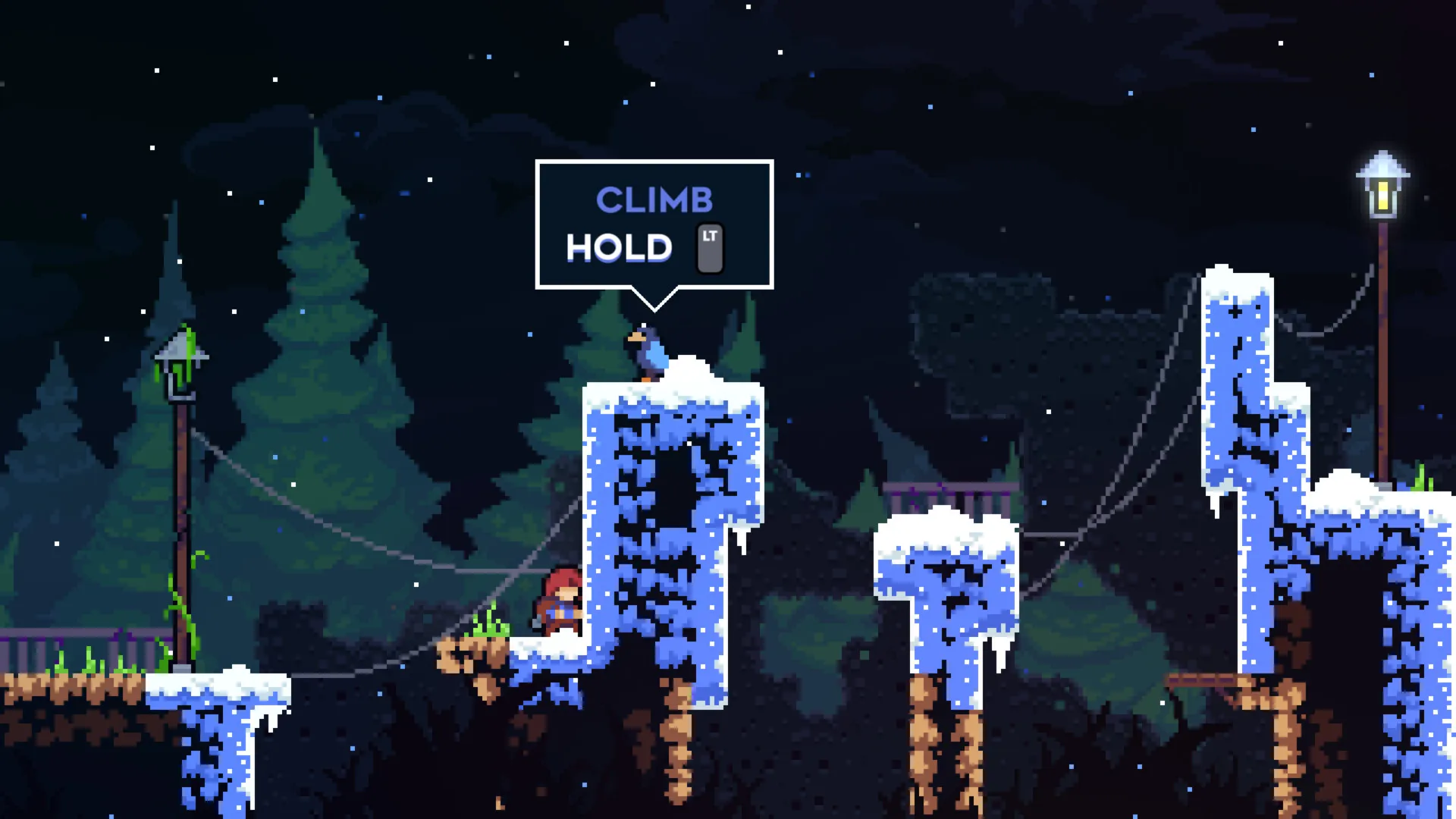
This tip follows the same idea as the last one- the idea that you want your games to feel as complete as possible and that includes having a tutorial! There are certain degrees to how much you actually need a tutorial- for example if your game is a platformer, you can get away with just displaying the controls. But if your game has unique controls or is a little complex, you should consider having a more thought-out explanation of how to play, in the form of a simple pop-up. I’m not saying always have a full-blown tutorial level because that can be too much work, but just remember you can’t always be there when people play the game to explain to them the controls or how it works! Yes, you can have it in the description of the game, but personally I hate having to keep going back and checking what to do. This is an example from Celeste of a diagetic tutorial:
That about does it for some of my tips! But, as an academic, I recognise the importance of getting multiple opinions and perspectives, so I’ve asked some of my peers and mentors for their top tips!
What do other people think?
Click the triangle to see that person’s top tip!Ryan Callard, Course Leader and Lecturer in Games Design, Development, & Esports.
The first period, where you determine the design, is where the game jam is won or lost. However, it’s also the period that is too often rushed through, leading to stale outcomes or underdeveloped ideas. This could be a communications issue. When you are in a game jam team, whether it is with people you’ve just met or with old friends, it is only human to seek harmony and get working towards that goal as quickly as possible. However, moving too fast and miscommunicating the game idea means that you’re starting at speed, but immediately out of sync - ultimately leading to the creation of wasted assets, or messy production overall. But this isn’t just a spiel about “team management, communication, team leadership Thomas-Kilmann blah blah”. This is at its core a design problem that a rushed concepting period has just avoided solving for. So, ending the moan, here are 5 easy actions that you can take:
- Despite it being a fine and valid approach, don’t go into a game jam having already decided what game you want to make
- Take the game jam theme and interpret it as a word puzzle. Break it into sections, highlight words, come up with ideas for each aspect of it - but do not require that it works in a wider picture of the game immediately
- When the list is full, discuss which elements could form a good working prototype taking into account the strength of the idea, the time limit, resources, team skill level and previous experience
- This is when you have to make your intentions clear - are you trying to win this thing? I f so, is the design strong enough, with enough flair to impress judges? If you’re not bothered and want a laugh, then will it be fun to create?
- Don’t forget your game design fundamentals - MDA, goals/objectives, progression loops, etc - use the documentation that you create as a design bible and do not deviate without a dedicated change process with whole-team buy-in and updating of all materials (within reason)
Sally Sheppard, Course Lead for Games Art and Animation
My number 1 is always to understand the resources, scope, and your goal.
- How long do you have? 24 hours, 48 hours, 1 week - how long is the jam?
- Who are the team - solo or team? What skills do you have access to?
- What’s the theme or brief?
All of that information will impact on your plan - you can’t design the next open-world RPG with semi-realistic graphics during a game jam (even if the brief told you to) - but you can scope around the time, skillsets and theme and create something that fits the requirements - does that mean you are making your dream game - probably not - does that mean you can use this project to showcase who you are and what you can do - YES! The best way (imo) to view a game jam is: What is my goal! If I am an artist and I really want to showcase my character design skills - this could be a great place to flex those creative muscles for the portfolio or just to learn a new skill, if you view game jams as ‘opportunities’ not as final perfect products.
Dalia AbuSalah, Winner of the SEGA x UWL Summer Game Jam 2026
As an artist, I find that visuals are a key aspect to prioritise in games if you want the player to feel immersed and welcome. It’s what helped bring our concept to life, and what gave the audience an understanding of our intentions.
Caelan Holmwood, Winner of the SEGA x UWL Summer Game Jam 2025
I would say that what definitely helped us take the win was that everyone had their own jobs, but we also made sure to help each other out. For example, I did the sound and music for the game, but I also worked on the level design. Communication is key!! It’s all well and good wanting to help, but if you end up doing the same thing as another person on your team, then that’s a lot of wasted time when you already have such a short amount of time to work with. Another big, big thing I would say is that when people start game jams, they usually have big, ambitious ideas. And that’s great! But my best advice is that if you really want to use your time well, think small. Start smaller, THEN expand out. It’s always the simple yet polished games that have gotten the wins in the past, and they’re overall more fun to play.
To wrap things up
Game jams are oppurtunities to experiment with ideas you’ve been sitting on, learn new and unexpected skills and prevent your passion for game development from burning out. I sincerely hope that this post has both convinced you and fully equipped you to enter a game jam :).Thank you to my contributors for their tips and advice, and thank you for reading. Feel free to reach out through Linked In or email me at nazimchoudry786gmail.com. Go sign up to a game jam!